2026 Global Risks Tier Ranking - Economic Confrontation vs Climate vs Nuclear Threat
A comprehensive S-to-D tier analysis of 2026's biggest global risks as identified by the World Economic Forum. Economic confrontation (18%), underestimated climate risks, and the Doomsday Clock at 89 seconds.
Who's Fighting Who in 2026? - A Global Risk Tier Ranking (feat. Economic Rivalry vs. Climate vs. Nuclear Threat)
Hey everyone! It’s been a wild month, seriously "losing my mind" while keeping up with global economic news like it was my job. Especially after reading the World Economic Forum's (WEF) 2026 Global Risk Report, I just felt like we were staring down the barrel of a massive storm. Honestly, I’m interested in this stuff, but the situation is so serious it’s hard to stay positive.
The most striking thing about this report is that "geopolitical economic rivalry" was flagged as the biggest risk. A whopping 18% of respondents named it as the most serious global crisis factor! The fact that it's jumped up two tiers from last year is pretty significant too.
Why is economic rivalry the top risk?
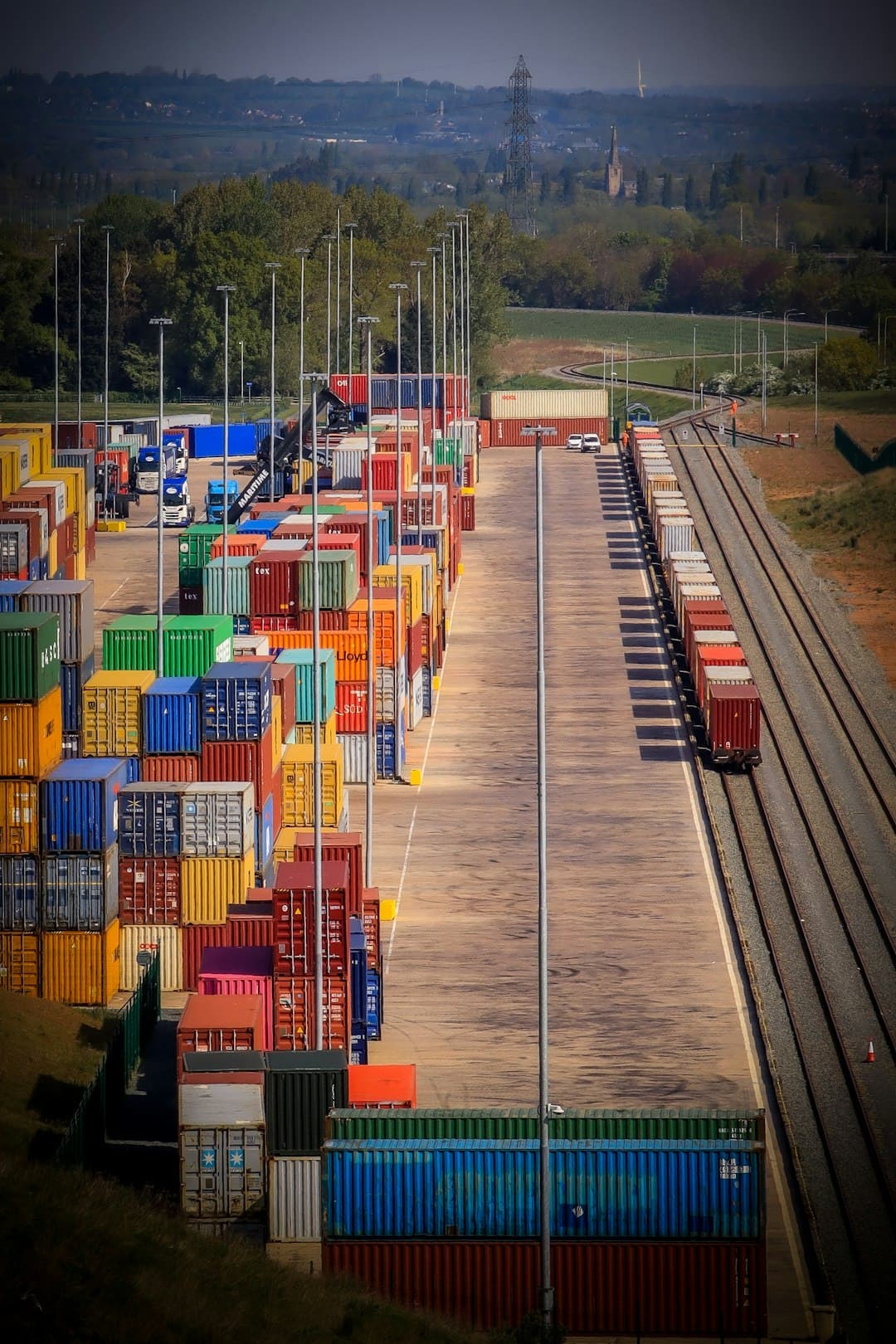
Well, it's obvious, isn't it? The Russia-Ukraine war, the US-China conflict, and now the Israel-Hamas conflict... competition between nations is more intense than ever. Each country is building trade barriers, vying for technological dominance, and weaponizing financial markets, all in the name of their own interests. The report says that these kinds of economic clashes have the potential to shake the foundations of relationships between nations, not just cause trade imbalances or exchange rate fluctuations. Think about it, the US sanctions on China are directly impacting the Chinese economy and wreaking havoc on global supply chains.
Is Climate Risk Really Being Overlooked?
But something feels off. Since economic rivalry is so dominant, it seems like the climate change issue is being relatively undervalued. Sure, economic problems cause serious damage, but long-term, the destructive power of climate change will be beyond imagination. Sea-level rise, extreme weather events, reduced food production… we all know how these things can collapse the entire economic system. Honestly, just looking at this summer, the damage from record heat waves and torrential rain was insane.
Of course, the World Economic Forum is aware of the severity of climate change. They might just feel that it’s less urgent compared to the immediate economic threats. But as far as I can see, even if economic crises temporarily subside, the climate crisis will continue. In fact, aggressively pursuing economic growth to resolve an economic crisis could worsen climate change.
The Doomsday Clock is at 89 Seconds… How Do We Interpret That?
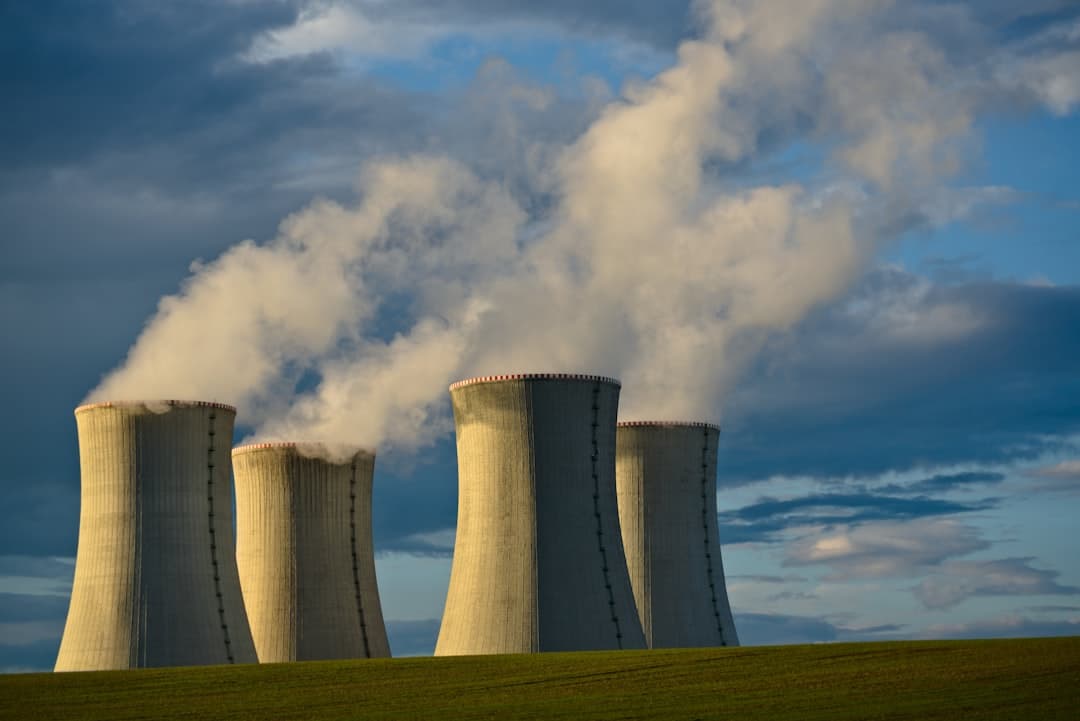
And then there's another thing we can't forget: the "nuclear threat." Did you know the Bulletin of the Atomic Scientists’ Doomsday Clock is pointing at a terrifying 89 seconds to midnight? That’s practically on the verge of disaster! The Russia-Ukraine war has increased anxiety about nuclear weapons use, and with the emergence of new nuclear powers, the situation is only getting worse. Of course, the probability of nuclear weapons actually being used is low, but we still need to be prepared for any possibility.
Global Risk Tier Ranking: Let's Honestly Evaluate
Okay, let's break down each risk into a tier ranking. Honestly, ranking things is super subjective and difficult, but I'll do my best to evaluate them as objectively as possible.
S Tier (Serious Risks Requiring Immediate Action):
- Geopolitical Economic Rivalry: This is the most powerful risk factor right now that can shake the entire global economic system.
- Nuclear Threat: I think we always need to classify this as a top-tier risk because of the potential for devastating consequences.
A Tier (Serious Risks Requiring Short-Term Action & Long-Term Preparation):
- Climate Change: This risk can cause even more serious damage when intertwined with economic issues.
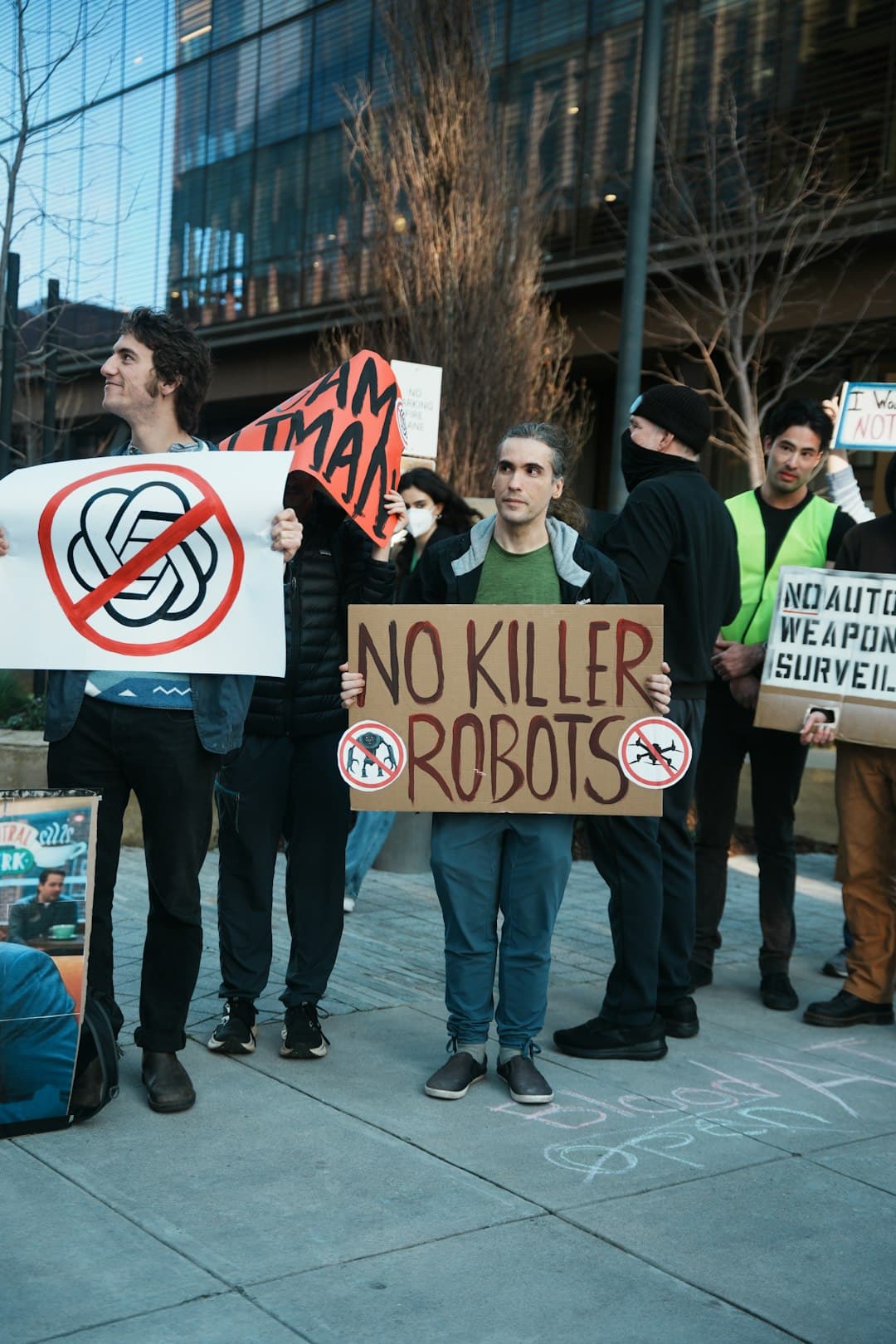
- Technological Risk (Cyber Attacks, AI Misuse, etc.): This carries unpredictable risks like a shadow of rapidly advancing technology.
B Tier (Significant Risks Requiring Continuous Monitoring & Limited Response):
- Pandemic: We felt the dangers of infectious diseases firsthand during the COVID-19 pandemic.
- Inter-State Conflicts (Including Regional Conflicts): These can become more complex when intertwined with economic rivalries.
C Tier (Serious, But Relatively Low Probability or Manageable Risks):
- Economic Recession: This could happen due to factors like US interest rate hikes, but it can be mitigated to some extent by government policies.
- Natural Disasters (Earthquakes, Tsunamis, etc.): We can reduce damage through prevention and preparation.
D Tier (Not Serious or Extremely Low Probability Risks):
- Aging Population: It could be a social problem, but I think it’s solvable in the long run.
- Food Shortage: This is a problem that can be solved through technological advancements and increased productivity.
Conclusion: What Can We Do Now?
Ultimately, the key is understanding each risk accurately and developing appropriate response strategies. Personally, I think we should start with small steps like conserving energy, using eco-friendly products, and practicing sustainable consumption. Politically, we need to strengthen international cooperation and continue efforts to resolve conflicts. Of course, I can't do a ton, but we should prepare for the future with a positive attitude.
Last But Not Least:
I know the current state of the world feels pretty bleak, but don’t give up! I believe that we can all work together to create a better future.