EU's Iran Policy Shift: Demanding a Credible Transition
EU Commission President calls for a 'credible transition' in Iran, marking the first time the EU's executive body has explicitly backed regime change in Tehran. A turning point in European diplomacy.
EU's Iran Policy Shift: Demanding a Credible Transition
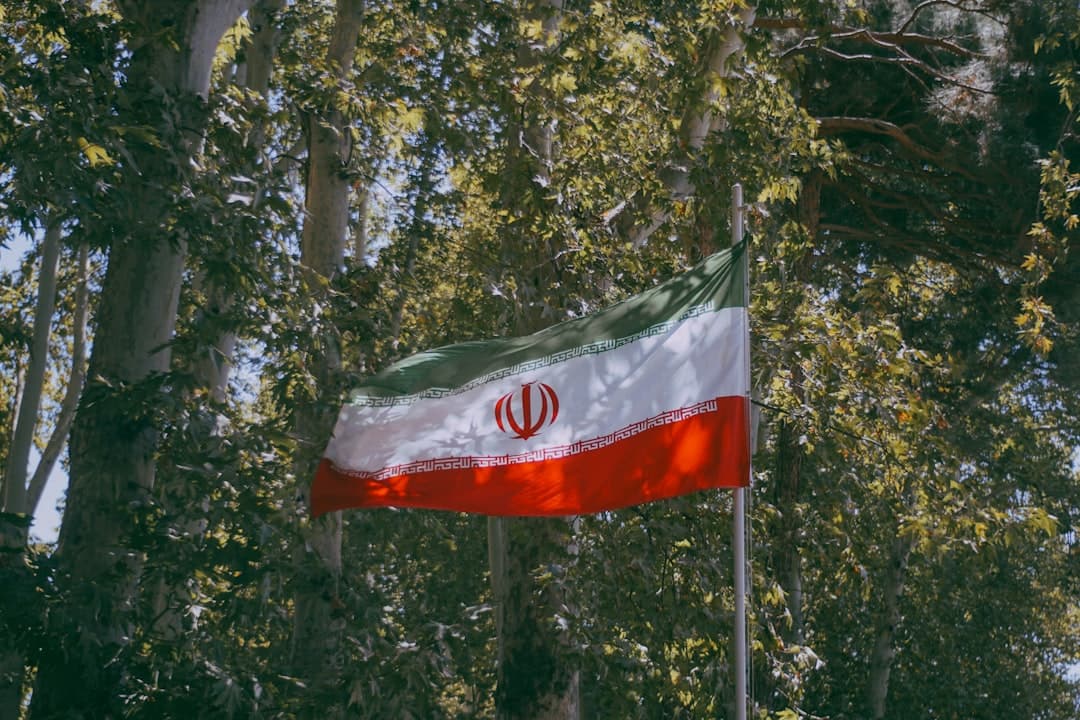
In March 2026, the European Union dramatically shifted its stance on Iran, drawing international attention. EU Commission President Ursula von der Leyen publicly called for a "credible transition" in Iran via social media platform X, marking a new phase in European policy toward Tehran.
Pivot to Regime Change Support: Fractures Within the EU
Von der Leyen's statement represents the first time in EU history that the executive body has explicitly endorsed regime change in Tehran. This contradicts the official position of EU foreign ministers, revealing policy divisions within Europe.
In a post written after calls with several Middle Eastern leaders, the President stated that "the death of Ayatollah Ali Khamenei has sparked renewed hope for the Iranian people, while simultaneously carrying real risks of instability." She emphasized that "the risk of further escalation is real, and this is precisely why a credible transition in Iran is urgently needed."
This statement marks a bold departure from Europe's traditional diplomatic approach as a cautious mediator, moving toward active endorsement of "regime change." Some European conservatives interpret this as an attempt by the EU to secure greater influence in Middle Eastern affairs.
Political Backlash: Criticism from the Left
Von der Leyen's remarks immediately sparked political controversy. The Left group in the European Parliament issued a statement on Monday strongly criticizing her position, stating that "von der Leyen has thrown the EU's weight behind regime change in Iran, a move that will exacerbate tensions in the Middle East."
The Left warned that this approach could encourage military confrontation rather than diplomatic resolution, ultimately undermining regional peace and stability. They also expressed concern that the EU might appear to be providing political legitimacy to US and Israeli military actions.
Background: US-Israeli Military Operations and the Supreme Leader's Death
The EU's policy shift is closely connected to a series of dramatic recent events. US and Israeli military strikes on Iran resulted in the death of Supreme Leader Ayatollah Ali Khamenei, who had ruled Iran since 1989.
This event created an unprecedented power vacuum in Iranian politics and opened possibilities for regional power realignment. As Khamenei had maintained absolute control over Iran's political, religious, and military spheres for over three decades, his sudden death has sent shockwaves throughout both Iran and the broader Middle East.
The EU's Strategic Dilemma: Between Influence and Risk
Von der Leyen's statement suggests the EU is seeking a more active role in Middle Eastern affairs. However, this carries significant risks. If Europe openly supports regime change, it could provoke hardliners within Iran and escalate regional tensions.
There are also differences among EU member states. Some countries prefer strengthening the transatlantic alliance with the United States, while others tend toward maintaining an independent European diplomatic line. This internal division could undermine the consistency and effectiveness of the EU's Iran policy.
Future Outlook: Possibilities for a New Middle Eastern Order
The EU's policy shift may lead to substantive changes beyond mere rhetoric. If regime transition actually occurs in Iran, the Middle East's power landscape will be fundamentally reshaped.
Given Iran's considerable influence in Syria, Lebanon, Yemen, and Iraq, regime change in Tehran would directly affect political situations in these countries. Additionally, various issues including Iran nuclear negotiations, Strait of Hormuz security, and regional energy security could enter new phases.
The EU will now face demands for consistency between words and actions. Whether the phrase "credible transition" remains mere rhetoric or is backed by concrete diplomatic and economic support will serve as a litmus test for EU foreign policy credibility going forward.
The international community is now watching to see what role Europe will play amid the Middle East's complex political realities. The EU's choices will mark an important turning point that determines not only Iran policy but also the direction and global influence of 21st-century European diplomacy.