France-Led UN Security Council Emergency Meeting: Internationalizing the Middle East Crisis
President Macron convened an emergency UN Security Council meeting hours after US-Israeli strikes on Iran. France was not informed beforehand and is advocating for diplomatic solutions to preserve international peace.
France-Led UN Security Council Emergency Meeting: Internationalizing the Middle East Crisis
On February 28, 2026, French President Emmanuel Macron requested an emergency UN Security Council meeting just hours after US and Israeli airstrikes on Iran, positioning himself as an international mediator. This Security Council meeting, convened within hours of the attacks, marked a critical turning point as the Middle East crisis escalated into a global security concern.
Macron's Urgent Warning: Grave Threat to International Peace
President Macron warned of "grave consequences for international peace and security" if the situation escalates. He emphasized that "the ongoing escalation is dangerous for all and must stop," urging the Iranian regime to "engage in good faith in negotiations to end its nuclear and ballistic missile programs, as well as its regional destabilization activities."
These statements demonstrate France's intention to prevent escalation through active diplomatic intervention rather than simply observing events. Macron publicly expressed European concerns about unilateral US military action, representing the European position.
Airstrikes Without Prior Notice: Fractures Among Allies
At the emergency Security Council meeting, Macron revealed that France "was neither warned nor involved" in the airstrikes. This indicates that the US and Israel conducted military operations while excluding even traditional ally France, exposing deep fractures within the Western alliance.
This situation reveals significant differences in Middle East policy approaches even among NATO allies. While the US and Israel chose military pressure on Iran, France and other European nations maintain a stance prioritizing diplomatic solutions.
UN Security Council Meeting: A Snapshot of a Divided International Community
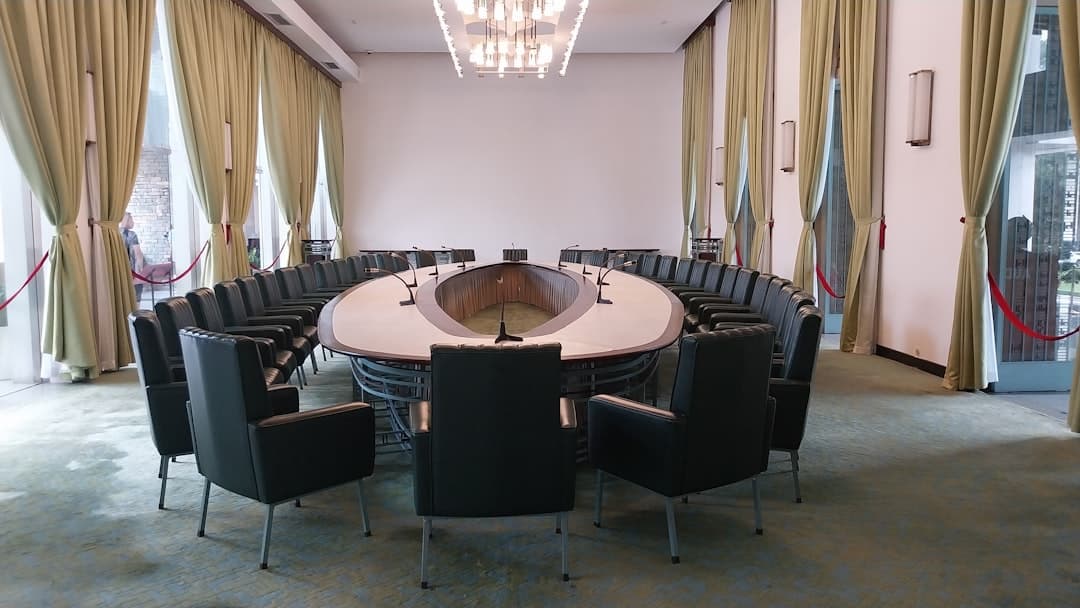
The Security Council meeting convened at 4 PM EST became a forum showcasing divided global responses. The meeting was characterized by cautious positions from allies, sharp criticism from rivals, and widespread concern about regional war risks.
Clear differences emerged even among Security Council permanent members. The US argued it was a legitimate response to Iran's nuclear program and regional activities, while Russia and China strongly condemned unilateral military action against a sovereign state. This division once again revealed the Security Council's structural limitations in providing unified responses to Middle East crises.
France's Strategic Positioning: Independent European Diplomatic Line
Macron's move represents more than just a response to the Middle East crisis—it's part of France's long-term strategy to establish an independent European diplomatic line. France maintains a balanced position, distancing itself from US unilateralism while sharing concerns about Iran's nuclear program.
This aligns with Macron's long-pursued concept of "strategic autonomy." It represents putting into practice the vision that Europe must build independent diplomatic and security capabilities without total reliance on the United States.
International Response: Concerns About Regional War
The Security Council meeting expressed deep concern about potential conflict spreading throughout the Middle East. With Iran promising retaliation, US military bases in the region, Israeli territory, and Syria, Lebanon, Yemen, and Iraq where pro-Iranian forces operate have all emerged as potential conflict zones.
UN Secretary-General António Guterres urged all parties to exercise "maximum restraint" and appealed for leaving room for diplomatic solutions. However, with military action already underway, the effectiveness of diplomacy remains uncertain.
Future Outlook: Walking the Tightrope Between Diplomacy and Military Force
Macron's request for an emergency Security Council meeting demonstrates that the international community is seeking diplomatic solutions to the Middle East crisis. However, the firm military stance of the US and Israel, Iran's determination to retaliate, and deep divisions within the Security Council make finding diplomatic breakthroughs difficult.
France will likely continue advocating for dialogue and negotiation, representing Europe's voice. However, exerting real influence will require a united European position and concrete mediation proposals.
The Middle East's future now hangs in a delicate balance between military confrontation and diplomatic mediation. Macron's Security Council convening is an important signal that the international community has not yet abandoned the possibility of dialogue, though the outcome remains uncertain.