2026 Iran Attack: Supreme Leader's Death and International Crisis
US-Israel joint military strikes on Iran result in Supreme Leader Khamenei's death, triggering regional crisis and international tensions in February 2026.
February 28, 2026: War Flares Up in the Middle East Following Large-Scale Strikes on Iran
On February 28, 2026, the United States and Israel launched a massive aerial campaign against Iran, reigniting the potential for war in the Middle East. The operation, dubbed "Operation Roaring Lion" by Israel and "Operation Epic Fury" by the United States, has resulted in the shocking death of Iran's Supreme Leader, Ayatollah Ali Khamenei.
Background and Execution of the Air Strikes
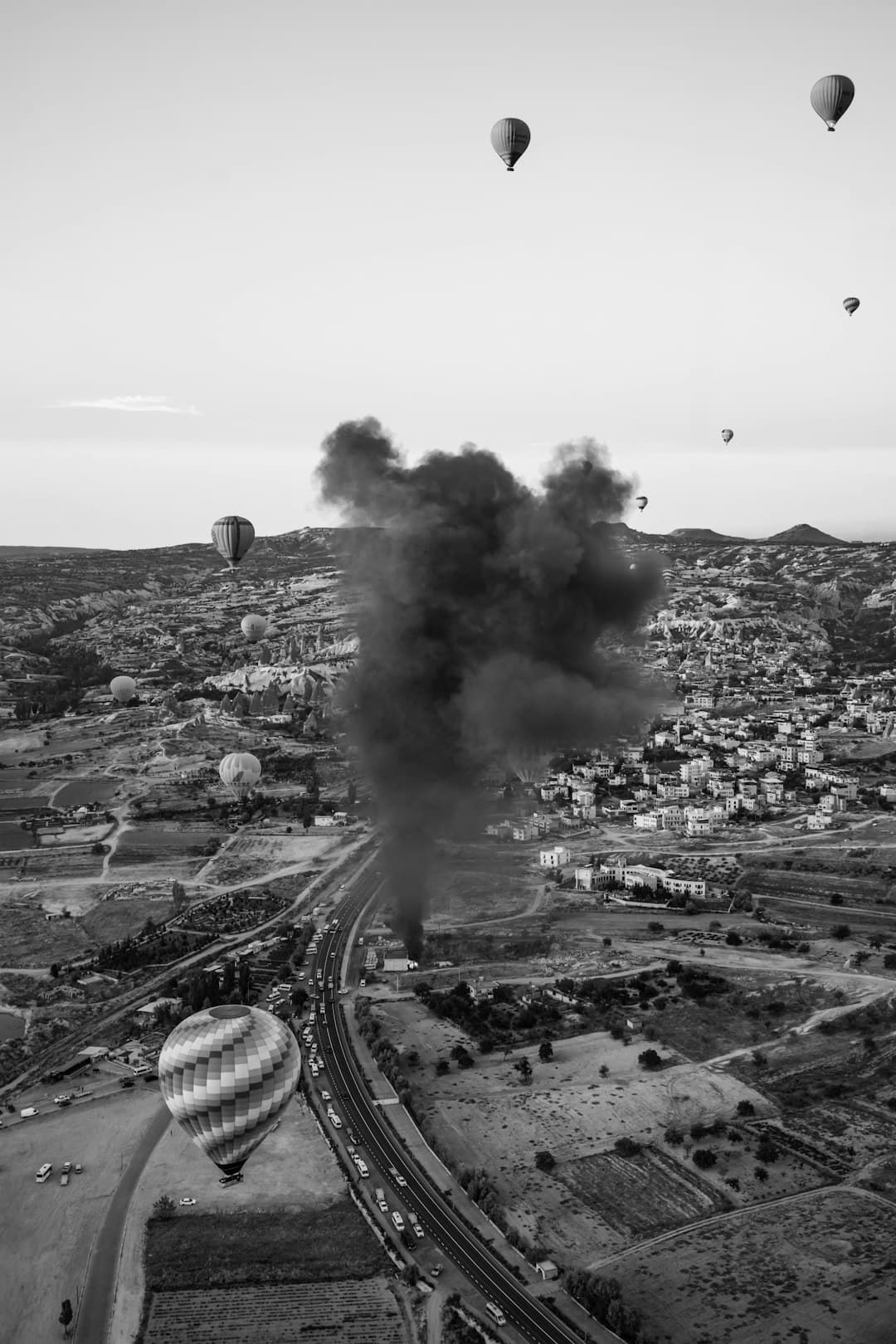
The air strikes targeted Iranian nuclear facilities and military bases, with simultaneous deployment of American F-35 stealth fighters and Israeli F-15s. Attacks focused on military installations near Tehran, with a direct hit on the underground bunker where Khamenei was residing.
Iranian authorities initially claimed Khamenei had survived, but officially confirmed his death 48 hours later. State media referred to him as a "martyr" and placed the entire country on its highest level of alert.
International Reaction
The United Nations Security Council convened an emergency meeting, but failed to pass any concrete resolutions due to disagreements between the United States, Russia, and China. Russia and China strongly condemned the action as a "clear act of aggression against a sovereign nation," while the European Union issued a statement calling for "restraint from all parties."
The US government maintains that the strikes were an act of "self-defense to prevent Iran's nuclear weapons development," while Israel insists it was a "preemptive response to an existential threat."
Iranian Retaliation and Regional Implications
Iran immediately declared retaliation and launched missile attacks on nearby US military bases. Facilities in Iraq and Syria were hit, and threats were made to close the Strait of Hormuz – a critical strategic chokepoint through which roughly 20% of the world's oil supply passes. This has led to a sharp surge in international oil prices.
Iran's allied forces, including Hezbollah in Lebanon and the Houthi rebels in Yemen, have also begun threatening attacks against Israel and the United States, further escalating tensions.
Future Outlook
Experts are warning that this situation could escalate into a wider regional conflict. Khamenei's death could create a power vacuum within Iran, leading to unpredictable political turmoil.
There's also a risk that Iran will accelerate its nuclear weapons program or undertake extreme retaliatory measures. The international community is seeking a diplomatic solution, but there are currently no signs of de-escalation.
The 2026 attacks on Iran are shaping up to be more than just a military operation; they are poised to become a historic event that fundamentally reshapes the geopolitical landscape of the Middle East.