Iran's Retaliation: Strait of Hormuz Closure and Surging Oil Prices
Tehran launched missile and drone attacks on Israel and Middle Eastern countries, blockading the Strait of Hormuz as global oil prices surged to $82. China, India, Japan, and South Korea face the biggest impact.
Iran's Retaliation: Strait of Hormuz Closure and Surging Oil Prices
February 2026 marks a period of escalating instability in the Middle East, significantly impacting the global energy market. Iran's forceful retaliation for the U.S. and Israeli attacks within its borders has led to an unprecedented situation – the closure of the Strait of Hormuz – raising the specter of soaring international oil prices and a potential global recession.
U.S.-Israeli Strikes and Iranian Retaliation
On February 28, 2026, the United States and Israel launched operations targeting key installations within Iran. The assassination of Iran's Supreme Leader, Ali Khamenei, prompted an immediate retaliatory response from Iran. The Islamic Revolutionary Guard Corps (IRGC) launched a large-scale missile and drone attack against Israeli territory and U.S. military bases in the Gulf region, signaling the beginning of a fierce counteroffensive. This attack demonstrates Iran's strong resolve and further exacerbates the instability in the Middle East.
The Strait of Hormuz: The Lifeline of Global Energy
The Strait of Hormuz is a strategically vital chokepoint connecting the Persian Gulf to the Arabian Sea. Approximately 20% of the world's seaborne oil trade – around 20 million barrels of crude oil per day – passes through this crucial gateway for global energy supply. The Strait's significance extends beyond its geographical location, profoundly impacting energy security and the world economy. Iran holds considerable control over the Strait, and the possibility of its closure during conflict has long been a concern for the international community.
The current situation represents a realization of those fears. An IRGC commander declared the Strait of Hormuz "closed," warning that any passing vessels would be "incinerated." Coupled with this threatening rhetoric, insurance companies have begun to withdraw coverage for vessels operating in the region.
The Mechanics of Closure: Physical vs. Economic
A physical closure is not currently being enacted. However, the withdrawal of insurance coverage by insurers has effectively paralyzed cargo movement through the Strait. This is a more subtle and effective method than a traditional physical blockade, making commercial vessel transit extremely perilous and driving up oil prices.
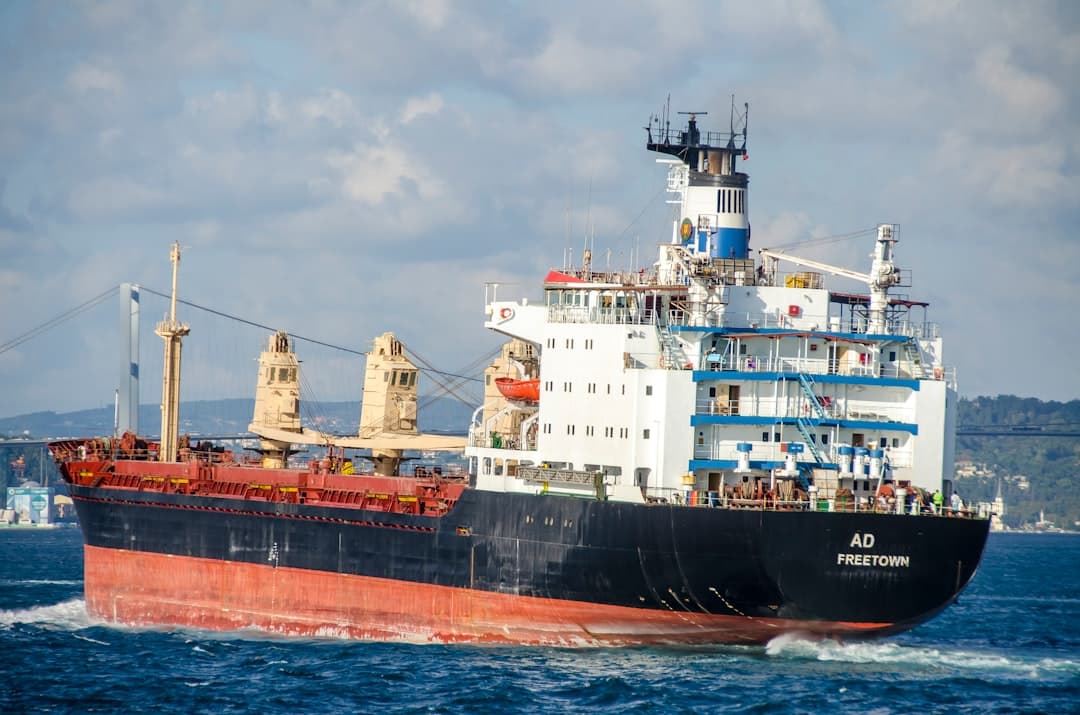
Initially, tanker traffic decreased by approximately 70%, but has since fallen to nearly 0%. Currently, over 150 vessels are waiting outside the Strait, with no clear indication of when transit will resume. Even without a direct physical blockade, the withdrawal of insurance significantly increases commercial risk, leading to a cessation of maritime transport. This can be interpreted as a strategic approach by Iran to achieve its objectives while avoiding direct military conflict.
Soaring Oil Prices and a Global Economic Crisis
The closure of the Strait of Hormuz has had an immediate impact on international oil prices. Brent crude rose by 13%, surpassing $82 per barrel, and experts are suggesting the price could surpass $100. An IRGC advisor even predicted that prices would reach $200 "in a few days," highlighting the severity of the situation.
This surge in oil prices could severely impact the global economy. Countries reliant on oil imports through the Strait of Hormuz – particularly China, India, Japan, and South Korea – are expected to experience significant economic losses. In fact, approximately 69% of the oil that passed through the Strait last year was exported to these four nations, making their economies particularly vulnerable to rising prices. A prolonged closure of the Strait could lead to a global recession, some analysts believe, to a "guaranteed" extent.
Conclusion: Vulnerability of Energy Security and the Future
Iran's retaliation and the closure of the Strait of Hormuz are stark reminders of the vulnerability of energy security. The impact of geopolitical instability in a specific region can be far greater than imagined, highlighting the importance of diversifying energy supply and securing stable energy resources.
Moving forward, the international community must intensify diplomatic efforts to resolve the situation with Iran, while simultaneously expanding investments in alternative energy development and energy efficiency improvements. Efforts must also be made to reduce reliance on strategically vital chokepoints like the Strait of Hormuz, and establish systems capable of proactively preventing and responding to threats to energy security. This situation is not simply about rising oil prices and economic crisis; it demands a fundamental reassessment of future energy systems and global security strategies.